
A comfortable home depends on a heating and cooling system that works properly. However, many homeowners ignore warning signs until their HVAC unit stops working completely. An old system can slowly lose efficiency, increase energy bills, and create uneven temperatures throughout the house. Knowing the time to replace your old hvac system can help homeowners avoid sudden breakdowns and expensive repairs.
It is also important to know when it is the right time for replacing an old HVAC unit as people would be able to make a good choice at the right time instead of making an impulsive decision while dealing with extreme weather conditions. This article discusses the indicators of HVAC replacement and the ideal timing.
1. Understanding When an Old HVAC System Needs Replacement
An HVAC system does more than provide warmth or cooling in your home. It keeps the interior comfortable through the whole year. However, old systems usually fail to cope with contemporary requirements. As time goes by, components wear out, and the efficiency drops. The first sign of the fact is increased need for repairs. In case you call a repairman several times a year, it is worth considering replacing the system. The expenses on repairing increase rapidly as some main components break down. Also, growing energy consumption is one of the symptoms. Old systems spend extra effort on heating or cooling, which leads to higher bills even when nothing has changed in your habits.
A consultation from a professional will help understand whether you should repair or buy something new. This way, you can avoid a rush replacement of your system in the coldest or hottest days of the year.
2. How HVAC Age Affects Performance and Home Comfort
The age of the HVAC system is very critical when it comes to its functionality. Normally, residential HVAC systems will last for a period between 10 and 15 years. Nevertheless, there are many factors that influence their lifespan such as climatic conditions, how they are maintained, and frequency of use. Old systems employ technologies which are out of date. This makes them less efficient compared to modern systems.
Replacing an old HVAC unit at the right time can provide several benefits:
- More consistent indoor temperatures
- Lower monthly energy expenses
- Fewer unexpected repair needs
- Improved air quality features
- Better long-term reliability
Additionally, older systems may have outdated refrigerants that are harder to service. Some older cooling systems use refrigerants that are no longer commonly supported. This can make repairs more expensive and difficult.
3. Choosing the Best Time of Year for HVAC Replacement
Timing can make a big difference when replacing an HVAC system. Many homeowners wait until their system stops working during extreme weather. However, planning ahead can create a smoother experience. The best time of year for hvac installation is often during spring or fall. These seasons usually have milder temperatures, which means homeowners rely less on heating or cooling. This makes replacement more convenient.
Spring is especially helpful for cooling system upgrades. Before summer temperatures rise, homeowners can replace aging air conditioners and prepare for warmer months. Many people search for the best time of year to install new air conditioner because early planning helps avoid emergency situations. Fall can also be a good choice. During this period, heating and cooling demand is often lower. Homeowners may have more flexibility when scheduling. The right timing depends on the home’s needs, climate, and current system condition. Waiting too long can lead to rushed decisions. Planning replacement before a major failure gives homeowners more control over their choices.
4. Key Benefits of Installing a New HVAC System
Installation of a new HVAC system will bring about comfort and efficiency in addition to making day-to-day life easier. Although replacing an HVAC system is an involved process, the gains will be worth it over time. Firstly, energy efficiency is one of the main gains from a new HVAC system. Modern HVAC systems are built using the latest technologies that help reduce any waste of energy. This ensures that the monthly utility bill is low. The other advantage is that of control over the temperature.
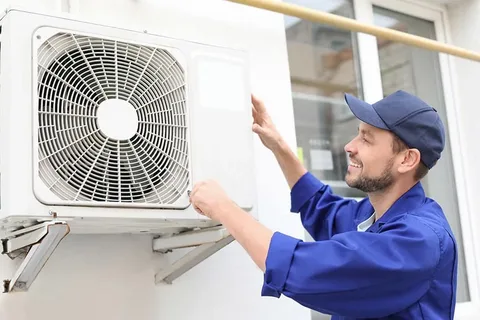
Benefits of Installing a New HVAC System
A new system may also offer:
- Quieter operation
- Better humidity control
- Improved indoor air quality
- Smart thermostat compatibility
- More dependable performance
Today, residential hvac replacement and installation intensity today continues to grow as homeowners look for more efficient and reliable home comfort options. Rising energy awareness and changing technology encourage many property owners to consider upgrades.
5. Understanding the HVAC Replacement Process Before Making a Decision
The replacement of an HVAC system can be carried out through various processes. Learning about the process can help homeowners become more knowledgeable about the replacement process. There are various steps that one will need to follow when replacing the HVAC system. Initially, the homeowner has to have his or her present HVAC system assessed by experts who assess the present heating and cooling requirements of the home. The first step is to examine the existing HVAC system.
Homeowners searching for the HVAC installation process in Hillsboro Beach, FL can benefit from understanding these steps before starting a project. A clear process helps avoid confusion and ensures the system works correctly after installation.
6. Why Energy Efficiency Matters When Replacing an HVAC System
Energy efficiency has become an important factor for homeowners choosing a new HVAC system. Older units often require more energy because their parts become less effective over time. A newer system can help reduce energy waste while maintaining a comfortable indoor environment.
This can provide several advantages:
- Lower monthly energy costs
- More stable indoor temperatures
- Reduced strain on the HVAC system
- Better environmental performance
- Improved comfort throughout the home
However, efficiency depends on more than the equipment itself. Proper installation, correct sizing, and regular maintenance also affect performance.
Many homeowners now consider an energy efficient HVAC installation in Fort Lauderdale, FL because efficient systems can help manage cooling demands in warmer climates. Hot weather can place extra stress on air conditioning units, making efficiency even more important.
7. Important Factors to Consider Before Replacing Your HVAC System
The decision to replace an HVAC system in one’s home can prove to be a huge decision. In view of this, there are some considerations which homeowners need to make in order to choose their next HVAC system. One of the considerations should be the condition of the existing HVAC system. An HVAC that keeps breaking down might not be worth repairing. On the other hand, a relatively new HVAC with slight problems can serve for many years to come.
Additionally, selecting experienced professionals matters during installation. Proper setup helps the system perform as expected. Homeowners looking for HVAC contractor installation services in Coral Springs, FL should focus on finding services that understand local conditions and installation requirements.
8. How Regular Maintenance Helps Your New HVAC System Last Longer
An investment in a new HVAC system should be long term. Regular maintenance is important for the continued efficiency of the system. No matter how sophisticated the system is, it still needs regular maintenance in order to operate effectively. Maintenance will enable one to identify any problems that could arise. If the air filter becomes dirty, it can reduce the flow of air and make the system run more intensively.
Important maintenance tasks include:
- Changing air filters regularly
- Keeping outdoor units clear
- Checking airflow levels
- Cleaning system components
- Scheduling routine inspections
Regular maintenance can also support longer system life. Without proper care, even a new HVAC system may lose efficiency faster. Additionally, homeowners should pay attention to unusual signs. Strange sounds, weak airflow, or uneven temperatures may indicate a problem that needs attention.
Making the Right HVAC Replacement Choice for Your Home
When one knows the time to change his or her HVAC system, he or she will be able to ensure that the system fails at an appropriate time. This will help one to plan ahead of time and to select an appropriate system that will serve his or her needs. The system could be efficient and comfortable compared to the current system. There is a need for careful selection, installation, and maintenance in order to obtain the appropriate results.
For homeowners exploring replacement options, trusted local guidance from companies such as Greg’s Air Solutions LLC can help explain available choices and important factors to consider.
FAQs
How can I tell whether or not I need to replace my HVAC system?
Signs include frequent repairs, high bills, temperature imbalances, noise production, and aging systems. The replacement is recommended in case of ongoing increases of repair expenses.
What is the lifespan of an HVAC system?
On average, it varies from 10 to 15 years. System maintenance allows extending its lifespan, however, age and conditions influence on system performance.
When should I consider replacing the HVAC system?
It is said that spring or fall is the right time for replacing the HVAC system due to the mild weather. In any case, it depends on the system state and needs of homeowners.
Can the new HVAC system reduce my energy bills?
Surely, it reduces energy bills because the newest systems were built in order to consume energy effectively. However, it depends on system installation, its capacity, etc.
Is it worth repairing or replacing my HVAC system?
This question is individual and depends on system age, performance, etc. In case of expensive repairments, the replacement may be preferable.